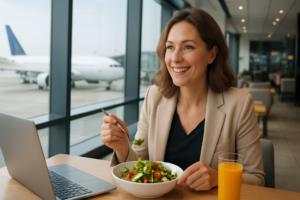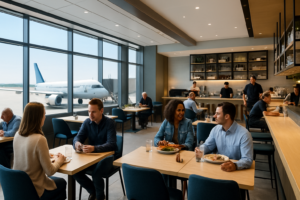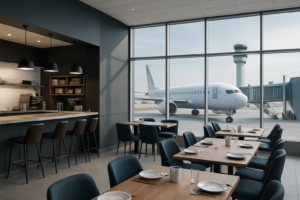
Airport Restaurant and Gin Mill Menu: How AI Turns Your Menu into a Profit Engine
Introduction
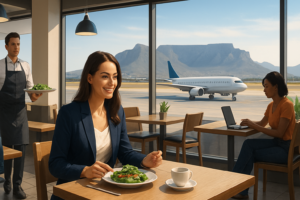
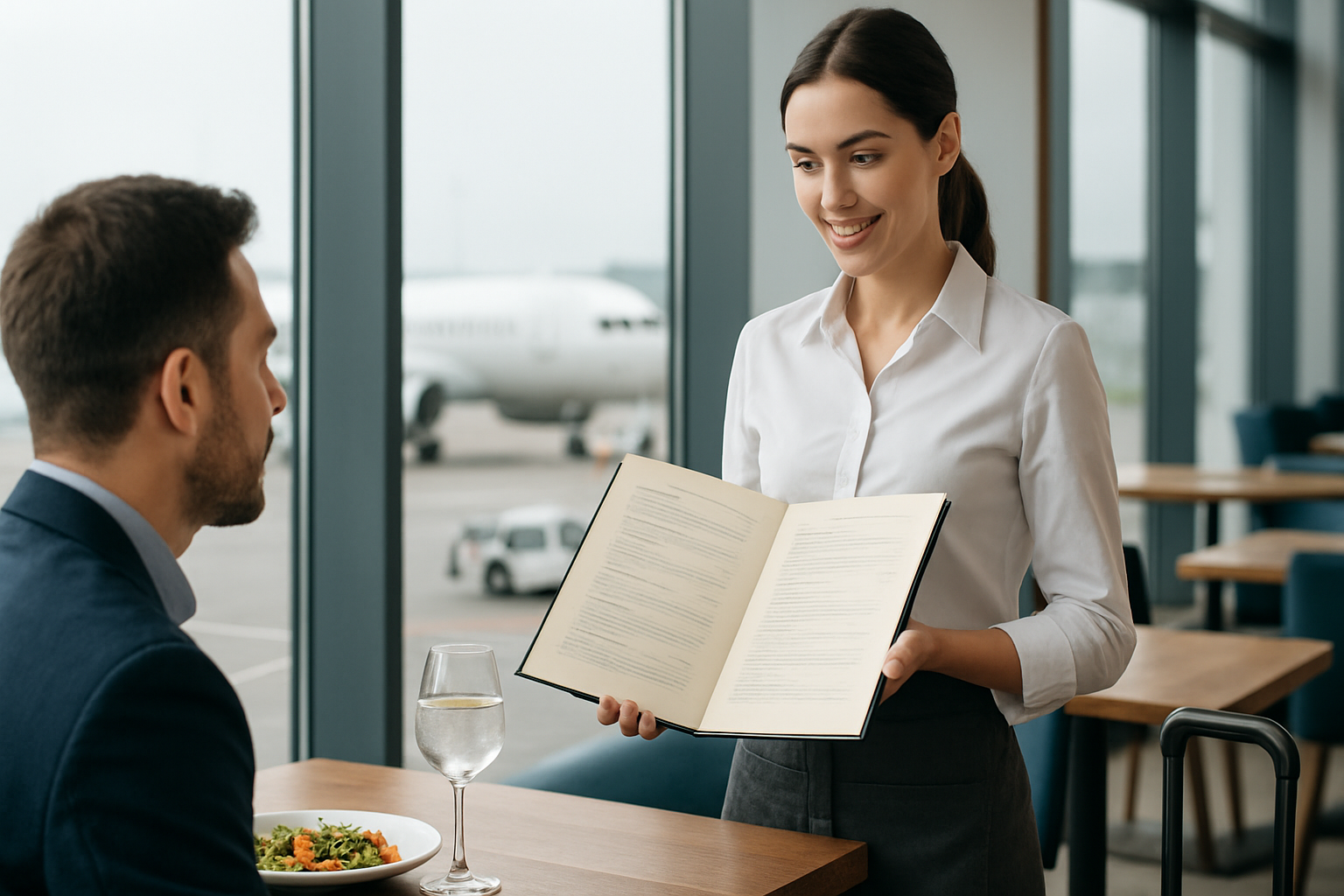
Picture the rush between arrivals and departures: travelers hunting for a quick bite, bartenders juggling orders, and a printed menu that doesn’t reflect what’s actually in stock. That’s the daily reality for many local operators trying to manage an airport restaurant and gin mill menu while keeping costs in check. Margins are tight, foot traffic is unpredictable, and the stakes are high—every minute and menu choice affects revenue. The good news? Artificial intelligence is no longer a big-brand luxury. It’s a practical toolkit any local business owner can use to make smarter menu decisions, streamline operations, and elevate the guest experience. In this article, we’ll unpack how AI helps an airport bar and restaurant engineer a profitable menu, how it translates to other local businesses like clinics, salons, retail stores, and real estate offices, and the exact steps and tools you can adopt to get measurable results—without bloating your tech stack or your budget.
Why the Airport Restaurant and Gin Mill Menu Matters for Local Businesses
An airport setting magnifies every business challenge. You face:
- Volatile demand: flight delays create spikes; red-eye windows create lulls.
- Diverse audiences: international travelers with varying tastes and languages.
- High expectations: speed, accuracy, and transparency on pricing and wait times.
- Limited space: inventory and prep space are constrained, increasing the cost of waste.
Your menu is the control center for all of this. Menu engineering affects:
- Profit: positioning and pricing high-margin cocktails and plates.
- Speed: optimizing for quick turns with pre-batched gin cocktails or grab-and-go items.
- Guest satisfaction: clear allergens, multilingual descriptions, and wait-time transparency.
The opportunity extends beyond hospitality. Clinics can use similar analytics to schedule peak-hour staff and highlight high-value services; real estate agents can prioritize listings by buyer intent; retail stores can forecast SKU demand; beauty salons can optimize time slots and upsell add-ons. In every case, AI turns data into practical decisions.
How AI Is Transforming Airport Dining and Gin Mill Operations
Here’s how AI makes a measurable difference, end to end:
- Demand forecasting: ML-powered tools predict hour-by-hour covers and drink orders based on flight schedules, holidays, weather, and historical POS data. Result: better prep, less waste, smarter staffing.
- Menu engineering: AI analyzes contribution margin, item popularity, and prep time. You learn which gin cocktails, snacks, and mains to promote, reprice, or rotate.
- Dynamic digital menus: QR code and digital signage update in real time to reflect stock levels, specials, and wait times. Reduce 86s and guest frustration.
- Smart pricing windows: Where allowed, modest price adjustments during peak rush (or value combos during off-peak) protect margins while keeping fairness and transparency.
- Inventory intelligence: Computer vision and invoice OCR catch price changes from suppliers, track shrinkage, and auto-suggest purchase orders.
- Multilingual experiences: On-the-fly translations for menu descriptions help international travelers order confidently and faster.
- Sentiment analysis: Text mining reviews and social listens for feedback on cocktails, food quality, service speed, and ambiance—feeding back into your menu and training.
- Guest personalization: Reservation and loyalty data suggest pairings (e.g., a London Dry gin martini with a citrus-forward appetizer) and highlight upsells that actually convert.
- Local SEO and discovery: Structured menu data and consistent listings improve visibility when a traveler searches “best gin cocktail near Terminal B” or “airport bar happy hour.”
- Operational analytics: Dashboards tie together labor, food cost, and sales mix, so decisions are based on contribution margins, not hunches.
Quick answer for busy owners: To improve an airport restaurant and gin mill menu fast, analyze POS sales mix and margins, forecast demand to prep the right items, publish a live QR/digital menu tied to inventory, test prices ethically, and act on guest sentiment weekly.
Best AI Tools for Airport Restaurant and Gin Mill Menu Optimization
All tools below are real, widely used, and suitable for local operators.
- Toast + xtraCHEF by Toast: POS plus invoice OCR and recipe costing; flags ingredient price increases and keeps an always-current plate cost for each menu item.
- MarginEdge: Automates invoice processing, recipe costing, and food-cost tracking; helps you quantify margins for every cocktail and dish.
- Tenzo: Predictive analytics for restaurants; forecasts sales, labor, and inventory needs using machine learning across your data sources.
- 5-Out (Five-Out): Forecasting that layers POS, reservations, weather, and events to predict demand and guide purchasing and scheduling.
- Deliverect: Centralizes online ordering and menu distribution; streamlines updates across delivery platforms to keep pricing and availability in sync.
- SevenRooms or OpenTable: Guest profiles and reservation insights; supports personalization and better pacing decisions in high-traffic windows.
- Beaconstac: QR menus with analytics; track scans, dwell time, and popular sections to inform menu layout decisions.
- ScreenCloud or Raydiant: Digital signage to display dynamic menus, specials, and wait times; integrate with data feeds.
- MonkeyLearn or Chattermill: Sentiment analysis and topic modeling; extract insights from reviews and social comments to pinpoint menu hits and misses.
- Apicbase: Inventory and kitchen management; helps standardize recipes and monitor yields.
- OpenAI API: Build a secure menu chatbot for questions on allergens, ingredients, and pairing suggestions; summarize feedback; translate menu text.
- Yext or Uberall: Keep listings (including menu highlights) consistent across Google, Apple Maps, Yelp, and more to improve discovery.
- Google Business Profile + GA4: Local search insights and behavior analytics to see what drives calls, directions, and menu taps.
Step-by-Step Guide to Using AI in This Industry
1) Clarify your goals
- Pick 1–2 primary goals: reduce food cost by 1–2 points, increase bar check average, or cut 86s by half.
2) Audit your data foundations
- Confirm your POS cleanly tracks modifiers (e.g., tonic types), happy hour windows, and voids.
- Ensure your recipe costs exist and are linked to ingredients.
3) Centralize and connect tools
- Connect POS to xtraCHEF/MarginEdge for costing; pipe data to Tenzo or 5-Out for forecasting; sync reservations via SevenRooms or OpenTable; add QR via Beaconstac.
4) Build a live digital menu
- Create a QR-based menu that mirrors your POS items and tags allergens and prep time. Add multilingual support for top traveler languages.
5) Engineer your menu with data
- Pull a sales-mix report: popularity vs. profitability.
- Classify items: Stars (keep and promote), Workhorses (speed), Puzzles (reprice/test), Dogs (retire or batch-prepare for speed).
- For gin cocktails, test batched variants for peak windows.
6) Forecast demand and prep smarter
- Use Tenzo or 5-Out to forecast covers and item-level demand by hour. Adjust prep lists and par levels accordingly; pre-batch top cocktails for the next rush.
7) Optimize pricing, ethically
- If allowed, try narrow price bands (e.g., happy hour combos off-peak) and bundle offers during lull periods. Keep transparency, cap ranges, and track impact on guest sentiment.
8) Personalize and upsell
- Use reservation data to surface relevant pairings (e.g., citrus-forward gin with a light small plate). Script server prompts and add quick-tap buttons in POS to capture uptake.
9) Act on feedback weekly
- Run sentiment analysis on reviews and social comments. Identify top complaints (e.g., wait times, glassware temperature, garnish freshness) and fix with specific SOPs.
10) Train the team and iterate
- Hold a 20-minute weekly stand-up: share one menu insight, one pricing finding, one guest feedback trend. Update batching, station setup, and server talk tracks.
11) Extend learning to other local businesses
- Clinics: forecast appointment demand, personalize add-on services, optimize staffing.
- Real estate agents: prioritize listings, target ads by buyer intent, automate FAQ chat.
- Retail and salons: demand forecasting, dynamic service bundles, inventory alerts.
Real-World Example or Case Study
Maya runs “Runway Tavern & Gin Mill,” a 68-seat spot just past security in a regional terminal. Her biggest headaches were stock-outs on best-selling gin cocktails during delays, uneven bar checks between rushes, and frustrating updates to a printed menu.
What Maya did
- Connected Toast with xtraCHEF: Every invoice auto-updated recipe costs for limes, tonic, and premium gins. She learned her “Runway Negroni” had a better margin than she assumed, while a cucumber-gin spritz margin slipped due to produce cost spikes.
- Added Tenzo forecasting: The system predicted spikes tied to late-evening arrivals and rainy days. She pre-batched two cocktails and reallocated prep hours to late afternoon.
- Launched a Beaconstac QR menu: Multilingual descriptions and allergy icons reduced back-and-forth questions. Special icons highlighted fast-serve items for tight layovers.
- Digital signage via ScreenCloud: A small screen at the entrance displayed current wait time, top 3 cocktails, and a rotating happy-hour combo for off-peak lulls.
- Sentiment loop with MonkeyLearn: Weekly review summaries flagged “slow refills” as a recurring theme; Maya adjusted runner coverage during peaks.
The outcome
- Fewer 86s due to smarter prep and ordering.
- Higher average bar check from consistent, data-backed upsells.
- Faster table turns because guests used QR menus to decide quickly, aided by clear icons and descriptions.
- Clear training targets, as insights moved from guesswork to evidence.
Industry analyses (e.g., McKinsey) suggest AI-driven optimizations can lift margins and reduce waste across consumer businesses. Maya’s approach mirrors those findings—without a giant enterprise budget.
Benefits of Using AI in Local Business
- Better margins: Recipe-level costing and contribution tracking spotlight where profit is won.
- Less waste: Demand forecasting cuts over-prep and spoilage.
- Faster service: Pre-batching and menu clarity reduce dwell time.
- Improved guest satisfaction: Fewer stock-outs; transparent wait times; clear allergen, language, and ingredient data.
- Stronger upsells: Data-backed pairings and timely offers.
- Smarter staffing: Schedule coverage where it matters, not evenly across the day.
- Resilience: Real-time menus that adapt to flight delays, weather, and supply fluctuations.
- Broader reach: Local SEO and consistent listings bring more travelers to your door.
Common Mistakes to Avoid
- Chasing vanity metrics: Focus on contribution margin, not just sales volume.
- Overcomplicating tools: Start with your POS, costing, forecasting, and QR. Add more only after wins.
- Hiding price changes: If you use variable pricing, disclose ranges and keep changes modest.
- Ignoring team adoption: If servers don’t use the new upsell prompts or batching SOPs, results stall.
- Skipping data hygiene: Inaccurate recipes or missing modifiers will skew insights.
- One-and-done tests: Menu engineering requires continuous, small iterations.
FAQs
Q1: What’s the fastest way to improve an airport restaurant and gin mill menu with AI?
A1: Start with POS-driven menu engineering and forecasting. Connect costing (xtraCHEF or MarginEdge) and demand forecasting (Tenzo or 5-Out), then launch a QR menu that updates in real time.
Q2: Do I need an in-house data team to use these tools?
A2: No. Choose platforms that integrate with your POS and reservations. They include dashboards and automations so owners and managers can act without coding.
Q3: Is dynamic pricing safe for my reputation?
A3: Yes, if it’s transparent, modest, and guest-friendly (e.g., off-peak value combos). Avoid surprise price jumps during extreme delays; protect trust first.
Q4: How can I handle multiple languages and allergy information accurately?
A4: Maintain a single source of truth for menu data, use translation APIs to draft copy, and have staff validate key items. Add standardized allergen tags and keep them synced with your recipes.
Q5: What’s a realistic budget to get started?
A5: Many operators begin under a few hundred dollars per month by combining POS costing, a basic forecasting plan, and a QR menu platform. Expand as you see ROI.
Conclusion
Your airport restaurant and gin mill menu can be more than a static list—it can be a living system that anticipates demand, protects margins, and delights travelers on tight timelines. By connecting your POS to recipe costing, layering in demand forecasting, adopting a QR or digital menu tied to inventory, and acting on guest sentiment, you create a compounding advantage that works in every rush hour and every lull. Start with one menu section and one weekly insight review, then scale across the board. If you’re ready to turn your airport restaurant and gin mill menu into a profit engine, now’s the best time to put AI to work—practically, ethically, and one small win at a time.
Sources & References:
- https://openai.com
- https://pos.toasttab.com (Toast and xtraCHEF)
- https://www.mckinsey.com (AI in operations and retail insights)
- https://hbr.org (Menu psychology and pricing strategy articles)
- https://support.google.com/business (Google Business Profile Help)
- https://www.tenzo.ai