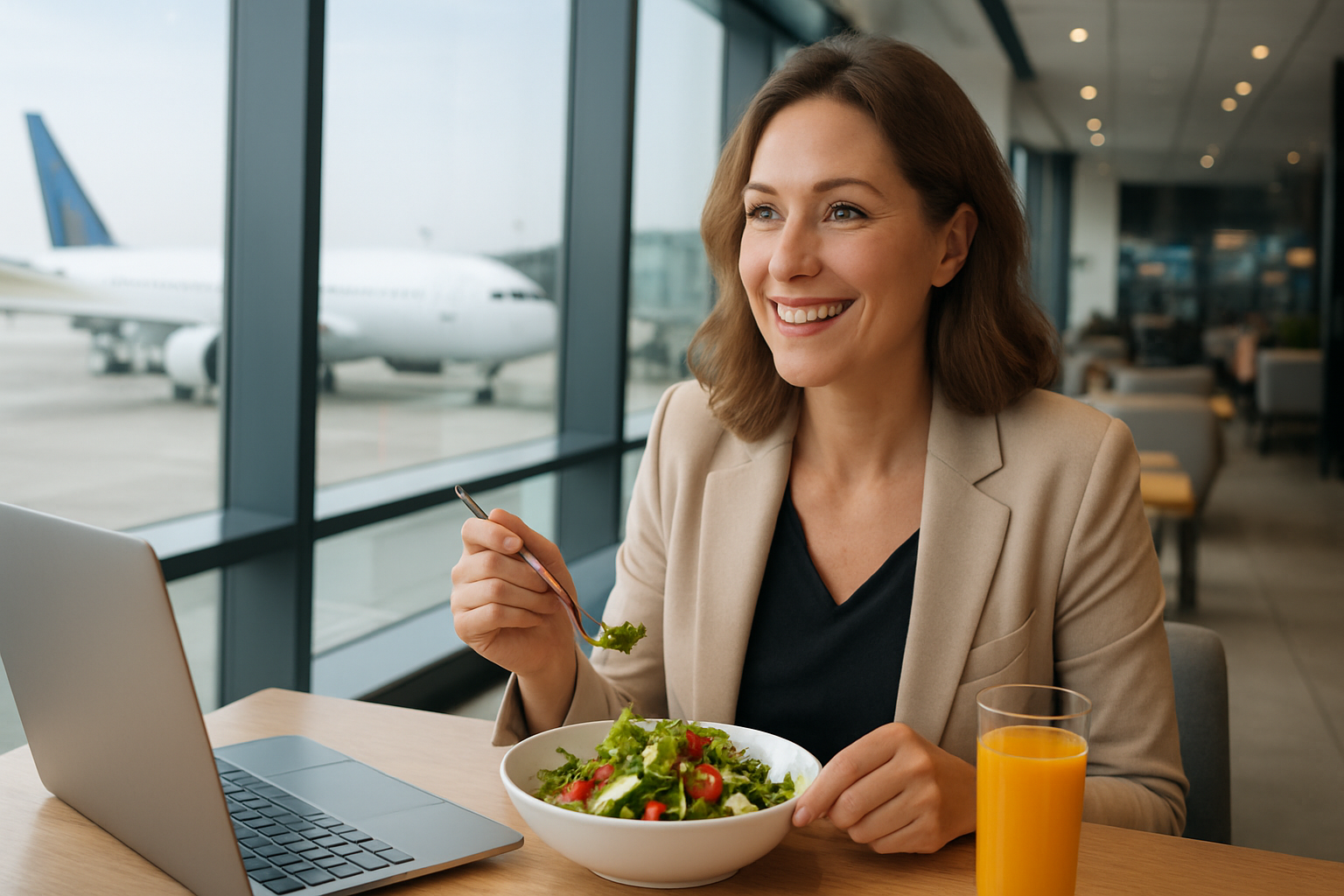
Airport Restaurants Cancun: What Local Businesses Can Learn and How AI Drives Revenue
Introduction
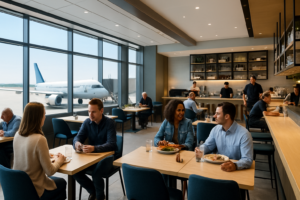
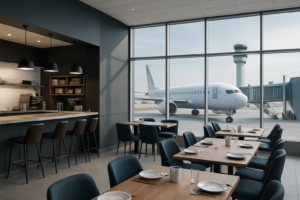
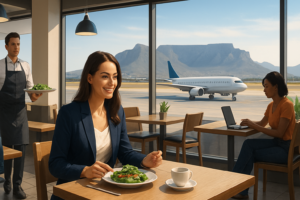
If you’ve ever walked through Cancun International Airport during a flight delay, you’ve seen the chaos—and the opportunity. Lines build fast, menus shrink to best-sellers, and a rush of multilingual travelers all want fast, clear answers. Airport restaurants Cancun face peak-and-valley demand, language barriers, tight security logistics, and time-pressed customers. Sound familiar? It should. These are the same challenges local restaurants, clinics, real estate offices, retail stores, and salons encounter every week—just concentrated into one terminal. The difference is that top airport operators are quietly using AI and data to predict foot traffic, adapt menus and staffing in real time, and turn rushed travelers into returning customers.
In this guide, we’ll break down what local businesses can learn from airport restaurants in Cancun (CUN)—from Terminal 2 to Terminal 4—and how to use AI tools to grow revenue, reduce waste, and serve customers better. You’ll get real-world examples, step-by-step actions, and trustworthy tools you can implement this month.
Why Airport Restaurants Cancun Matters for Local Businesses
Airport dining is business pressure in fast-forward. Consider what happens at CUN:
- Demand spikes align with flight banks and delays.
- Customers speak multiple languages and expect quick answers.
- Space is limited, time is short, and menu items must move.
- Reviews on Google Maps and TripAdvisor can make or break a location.
These constraints force airport operators to master the same problems local businesses face across the city—just with less margin for error. The opportunity for you: replicate their AI-enabled playbook without paying airport rents.
Key takeaways local owners can copy from airport restaurants Cancun:
- Predictable unpredictability: Use real-time signals (events, weather, flight data, hotel occupancy) to forecast rushes and adjust staffing, stock, and promotions.
- Multilingual clarity: Make it effortless for travelers and tourists to understand your services with translated menus, automated answers, and clear pricing.
- Time-to-serve precision: Streamline ordering, queueing, and payment to convert urgency into higher average order value (AOV) and happier reviews.
- Reputation in the open: Monitor and respond to public feedback fast to rank higher on Google and capture intent.
How AI Is Transforming Airport Dining and Local Hospitality
AI is not just a buzzword; it’s a set of practical capabilities that make operations sharper and customer experiences smoother.
- Demand forecasting: Tools ingest signals like historical sales, weather, local events, and (for airports) flight status data to forecast covers by hour. For a neighborhood cafe, replace flight data with nearby events, school schedules, and hotel occupancy.
- Inventory and waste reduction: Predictive models suggest precise prep levels and purchase orders. Result: less spoilage, more cash flow.
- Smart staffing: AI aligns schedules with predicted peak times and skills required (barista vs. cook vs. cashier). At terminals, this matches flight banks; on Main Street, it maps to lunch rushes, payday Fridays, and festival weekends.
- Menu engineering: Identify which items drive profit and speed. Rotate time-of-day menus, run A/B tests on combos, and promote high-margin items via digital signage.
- Multilingual and instant answers: AI-powered chat and QR menus in Spanish, English, Portuguese, and more reduce friction. Translate specials, allergens, and payment options instantly.
- Review intelligence: Sentiment analysis flags recurring complaints (e.g., “slow service,” “cold tacos”) and suggests fixes. Automated responses acknowledge feedback and invite return visits.
- Queue and wait-time optimization: Predict wait peaks, enable virtual lines, and notify customers via SMS/WhatsApp. Faster turns, fewer walkaways.
Airport restaurants Cancun use many of these methods to survive unpredictable surges from Terminal 2 to Terminal 4. The same playbook works for any local business with fluctuating demand.
Best AI Tools for Airport Restaurants Cancun and Local Businesses
Below are real, widely used platforms you can deploy. Choose based on your size, budget, and core needs.
Demand forecasting and foot-traffic analytics
- Tenzo: Restaurant analytics platform that consolidates POS, staff scheduling, and weather data; forecasts sales and labor needs to cut waste and overtime.
- Placer.ai: Location analytics to understand nearby foot traffic patterns, trade areas, and competitive benchmarks.
- FlightAware (data feed): For airport-adjacent venues, integrate real-time flight status to predict rushes; connect via automation tools to trigger staffing/menu changes.
- RetailNext or V-Count: In-store sensors and heatmaps to measure dwell time, conversion, and queue lengths.
POS, menu engineering, and operations
- Toast: Restaurant-focused POS with menu performance insights, inventory modules, and online ordering.
- Square for Restaurants: POS with real-time sales dashboards, shift reports, and integrations for reservations, loyalty, and marketing.
- Lightspeed: Omnichannel POS with detailed product mix reporting and inventory forecasting.
Reputation management and social listening
- Google Business Profile: Manage hours, posts, Q&A, and reviews. Essential for discoverability near tourist corridors.
- Sprout Social or Hootsuite: Monitor brand mentions across social platforms, track sentiment, and schedule content.
- Yelp for Business and TripAdvisor Management Center: Monitor, respond, and update listings with photos and menus.
Multilingual support and customer messaging
- Google Translate API or DeepL: High-quality translation for menus, signage, chat, and FAQs.
- Intercom or Ada: Customer messaging and chatbots to handle FAQs, booking, and order status in multiple languages.
- WhatsApp Business Platform: Build automated flows for waitlists, pick-up notifications, and post-visit feedback.
Digital signage and experimentation
- ScreenCloud or Raydiant: Dynamic digital menus and promotions; connect data sources to switch content by time of day or predicted demand.
Queue, waitlist, and reservations
- Waitwhile or Qudini: Virtual queue management, predicted wait times, and SMS updates to reduce walkaways.
Delivery and marketplace integrations
- Uber Eats, DoorDash: Expand reach to hotels and travelers; sync menus with POS and track performance.
Analytics and BI
- Microsoft Power BI or Tableau: Centralize POS, staffing, flight/events data, and reviews; build dashboards for owners and managers.
Step-by-Step Guide to Using AI in This Industry
Use this practical roadmap to go from zero to results in 30–60 days.
1) Define the business problem in numbers
- Example: “Reduce average wait time from 18 minutes to under 10,” or “Cut weekly food waste by 20%,” or “Increase weekday lunch revenue by 12%.”
2) Centralize your data
- Connect POS (Toast/Square), staffing, and online orders to an analytics hub (Power BI/Tableau). Ensure you have hourly sales by item, labor hours, and basic customer feedback.
3) Add external signals
- For airport or tourist zones: integrate FlightAware (or event calendars, hotel occupancy reports, weather). For clinics or salons: map surge periods (cruise arrivals, convention dates, payday cycles).
4) Build a simple forecasting loop
- Start with daily and hourly forecasts for the next 14 days. Tools like Tenzo or POS-native reports can help. Compare forecast vs. actual each week and adjust.
5) Optimize staffing with skill mapping
- Align shifts with predicted peaks and specific skills. Ensure at least one multilingual staff member or a translation kiosk/QR is available during high tourist windows.
6) Redesign your menu for speed and margin
- Identify top 20% of items by profit and velocity. Create a time-of-day or flight-delay menu that highlights fast movers. Use digital signage (ScreenCloud/Raydiant) to swap menus automatically.
7) Deploy multilingual QR menus and chat
- Offer QR ordering with automatic language detection. Use Intercom/Ada connected to WhatsApp Business to answer FAQs about allergens, payment options, and wait times.
8) Automate review insights and responses
- Connect Google Business Profile, Yelp, and TripAdvisor to Sprout Social/Hootsuite. Set alerts for 3-star reviews and below. Use approved templates to respond within hours.
9) Run controlled experiments
- Test an upsell (combo or add-on) vs. control during predicted rush windows. Split-test signage headlines. Measure AOV, speed, and satisfaction.
10) Close the loop with weekly ops huddles
- Review dashboards every Monday: forecast accuracy, labor cost %, waste, top complaints, and top compliments. Update playbooks and schedules accordingly.
Real-World Example or Case Study
Scenario: A fast-casual taco stand near Cancun International Airport Terminal 3 (post-security) faced 30-minute lines during afternoon flight banks and threw away trays of prepared proteins after late-night lulls. The owner’s goals were simple: cut wait times, reduce waste, and lift weekday revenue.
Actions taken in 45 days:
- Forecasting + flight data: Integrated POS sales with hourly forecasts and FlightAware status to identify surge windows triggered by flight delays.
- Menu engineering: Flagged three fastest, highest-margin items and introduced a “Delay Menu” promoted only when departures were backed up 45+ minutes.
- Smart staffing: Reassigned one cook to a dedicated prep station during predicted spikes; brought in a bilingual cashier for late-evening international flights.
- Digital signage A/B: Tested two headline promotions—“Grab & Go in 5 Minutes” vs. “Delay Combo: 15% Off.” The speed-focused message won by 23% AOV.
- Multilingual support: Added QR code menus in Spanish, English, and Portuguese with clear allergen tags and tap-to-pay.
- Reputation loop: Monitored Google Maps and TripAdvisor, responding within 6 hours. Acted on feedback to add a separate pickup shelf for mobile orders.
Outcomes after 60 days:
- Average wait time: Down from 30 to 11 minutes during peaks.
- Food waste: Reduced by 18% via prep-level adjustments.
- Revenue: Up 19% overall; AOV up 12% with targeted combos.
- Reviews: Star rating moved from 4.1 to 4.5 with 2x more reviews mentioning “fast” and “clear English menu.”
This same system works for a downtown cafe, a beachside salon, a clinic near hotels, or a real estate agency serving international buyers: predict demand, make service effortless, experiment iteratively, and close the feedback loop.
Benefits of Using AI in Local Business
- Better forecasts: Schedule and stock confidently, even with event- or travel-driven traffic.
- Higher margins: Promote profitable items, reduce waste, and increase AOV with smart upsells.
- Faster service: Shorter queues, clearer menus, and smoother payments.
- Stronger reviews: Quick, thoughtful responses and visible improvements.
- Smarter staffing: Right people, right time, right skills.
- Multilingual reach: Win tourist and expat customers with zero-friction communication.
- Resilience: Adapt to delays, storms, or event surges without chaos.
Common Mistakes to Avoid
- Buying tools before defining the problem: Start with a measurable goal.
- Ignoring data hygiene: Inaccurate POS items or inconsistent categories will ruin analytics.
- Over-automating replies: Personalize key review responses; don’t sound canned.
- One-time setup mentality: Forecasts and menus must evolve weekly.
- Skipping staff training: Tools don’t help if teams don’t use them.
- No multilingual fallback: Relying only on staff language skills leaves gaps during rushes.
FAQs
1) What are the busiest times for airport restaurants in Cancun, and how can a local business predict similar surges?
- Busiest windows often align with afternoon and evening international departures at CUN, plus weather-related delays. Local businesses can forecast surges using historical sales, local event calendars, hotel occupancy, and—if relevant—flight status feeds. Build a weekly forecast and refine it with actuals.
2) How can a small restaurant implement multilingual menus without a big budget?
- Start with QR code menus translated via Google Translate API or DeepL, and review them for accuracy. Include allergen labels and clear pricing. Add a short FAQ in multiple languages covering top questions.
3) Which tools help an airport-adjacent business handle unpredictable rushes?
- Combine a restaurant POS (Toast or Square), demand forecasting (Tenzo), flight status data (FlightAware), and a virtual waitlist (Waitwhile). Add digital signage (ScreenCloud) to switch to condensed menus during delays.
4) How do I improve my Google Maps ranking like top airport restaurants Cancun?
- Keep Google Business Profile updated (hours, photos, posts), respond to every review, add attributes (e.g., dine-in, takeout), and publish local posts tied to events. Encourage happy customers to leave reviews by placing a QR link on receipts and tables.
5) Can AI help non-restaurant businesses like clinics, salons, or real estate firms?
- Yes. Forecast appointment demand, reduce no-shows with automated reminders, answer FAQs in multiple languages, and use sentiment analysis on feedback to improve service. Real estate teams can route leads by language and urgency while surfacing the most relevant listings.
Conclusion
Airport restaurants Cancun offer a masterclass in handling peak demand, diverse customers, and razor-thin margins. By adopting their AI-powered approach—forecasting rushes, streamlining menus and queues, deploying multilingual support, and tightening the review loop—any local business can boost revenue, reduce waste, and delight customers. Start small: pick one goal (like cutting wait times), connect your data, run a 30-day pilot, and iterate. The businesses that learn fastest will win—whether they’re inside Terminal 3 or on a busy street downtown.
Sources & References:
- https://squareup.com/us/en/solutions/restaurants
- https://pos.toasttab.com
- https://www.google.com/business/
- https://www.flightaware.com
- https://www.mckinsey.com/capabilities/quantumblack/our-insights/the-state-of-ai-in-2023
- https://retailnext.net/