Airport Restaurants Athens: How Local Businesses Can Use AI to Boost Visibility, Speed Service, and Grow Revenue
Introduction
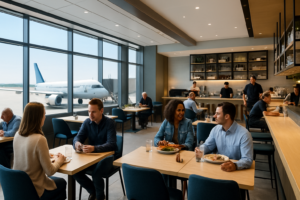
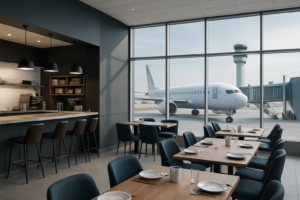
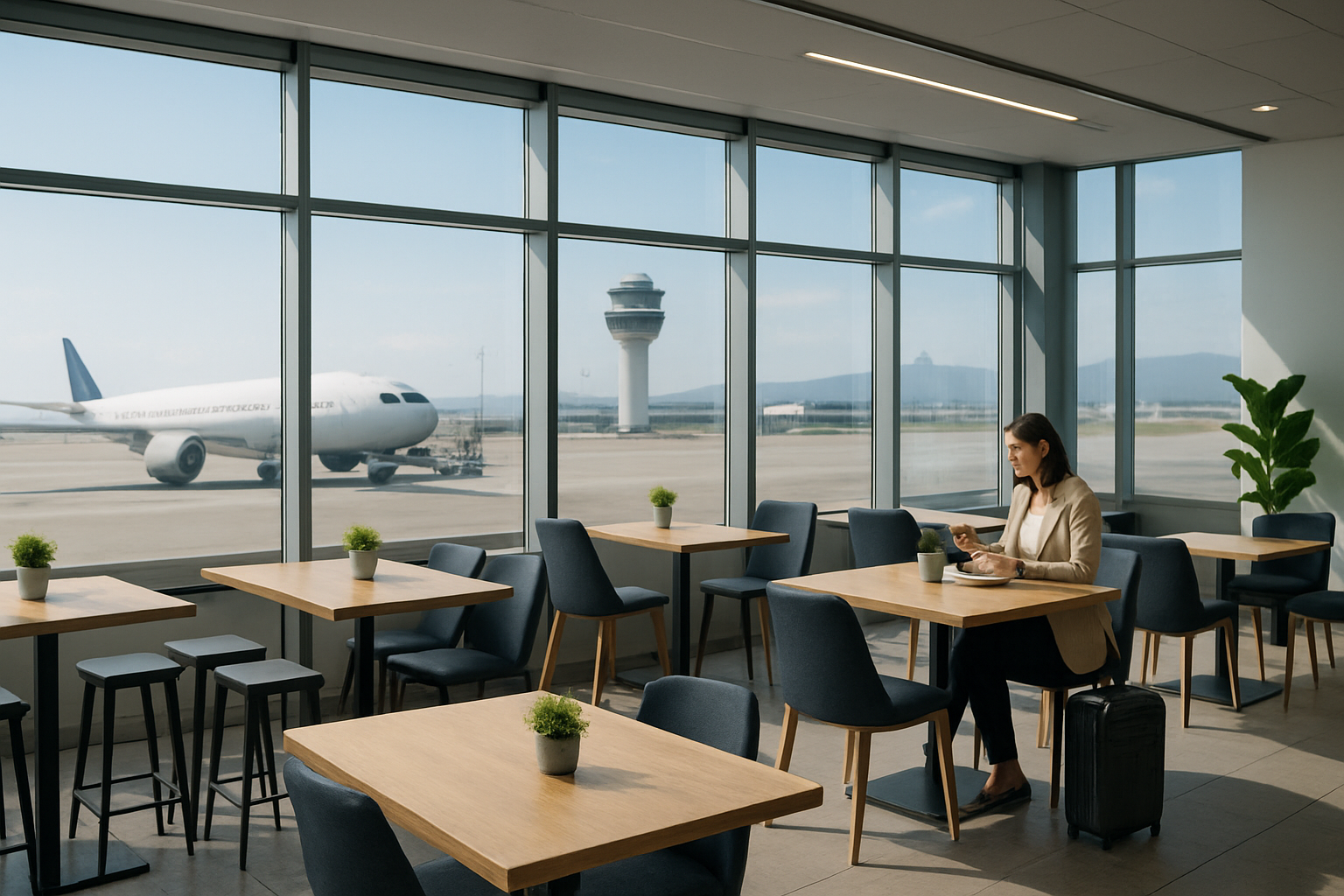
For many travelers, the first taste of Greece happens inside the terminal—between security lines, tight connections, and the hunt for a quick, satisfying meal. If you operate or advise airport restaurants in Athens, you already know the stakes: unpredictable rushes tied to flight schedules, strict operational constraints, and price-sensitive guests who expect speed, quality, and transparency. Ranking for high-intent queries like airport restaurants athens can be the difference between an empty dining room and a steady stream of orders. Pair that SEO visibility with practical AI systems—demand forecasting, smart staffing, dynamic prep lists, and real-time review management—and you can turn the chaos of travel peaks into predictable revenue.
This guide shows how local operators at Athens International Airport (ATH – Eleftherios Venizelos) and nearby venues can use AI to reduce waste, cut wait times, and win more “near me” searches. You’ll get a step-by-step playbook, real tools (no hype), and a case study modeled on the unique rhythm of an international gateway—morning Schengen departures, summer island hoppers, and late-night long-haul arrivals.
Why “Airport Restaurants Athens” Matters for Local Businesses
Athens International Airport is a high-velocity micro-market. Customers search on phones, compare options by line length, menu, and reviews, and make decisions in minutes. That compresses the traditional restaurant funnel into a few mobile taps—Google Maps, a quick glance at photos and star ratings, and a walk to the nearest gate-friendly venue.
The problem:
- Unpredictable demand spikes driven by flight delays, gate changes, and seasonality (summer tourism, holiday peaks, conferences).
- Labor and prep inefficiencies—too many staff at slow hours, too few when three flights board at once.
- Low-margin waste—perishables that expire when a flight is canceled or a terminal slows.
- Lost digital visibility—if you don’t rank for queries like “airport restaurants athens,” “best food in ATH,” or “Greek food near Gate B,” you lose impulse buyers.
The opportunity:
- AI-enhanced demand forecasting reduces waste and right-sizes labor.
- Smart SEO and structured data push you into Google’s local pack and featured snippets for airport searches.
- Automated review and reputation management lift ratings and traveler trust.
- Real-time product mix optimization (e.g., ready-to-go mezze boxes prepped pre-boarding) increases average check size.
How AI Is Transforming Airport Dining and Hospitality
Airport dining isn’t just about food; it’s about operational precision. AI brings measurable advantages across the funnel:
- Demand forecasting by flight schedule: Machine learning ingests historical POS data, GA4 traffic, and flight timetables to predict the 10:00–12:00 pre-boarding surge for Schengen flights or after-curfew long-haul arrivals. Operators prep accordingly—more spanakopita and koulouri in the morning, grab-and-go salads near midday, espresso and souvlaki bites for late-night flyers.
- Labor optimization: AI-driven scheduling maps predicted footfall to staff levels, ensuring counter, barista, and kitchen stations are covered without overstaffing. This shortens queues and keeps service times under airport expectations (typically 5–7 minutes).
- Inventory and waste reduction: Computer-vision-like analytics (via invoices and sales) and ML models recommend optimal order quantities based on lead times and perishability. The result: fewer expired yogurts and pastries post-morning rush.
- Personalization at the point of sale: Suggestive selling on kiosks or handhelds (“Add feta dip with pita?”) uses association rules from historical purchases to nudge higher-margin add-ons without slowing service.
- Reputation management and insights: Natural language processing (NLP) scans reviews to surface fixable friction (“too slow at breakfast,” “no gluten-free options at Gate A,” “card-only issues”). Managers act before these trends hurt ratings.
- Smarter ads and local SEO: Automated bidding on Google Ads and dynamic audience optimization on social platforms push menus and promos to high-intent travelers near ATH, in the right language and time window.
The net effect: faster lines, better reviews, stronger margins, and improved discoverability for the precise term travelers use—airport restaurants athens.
Best AI Tools for Airport Restaurants in Athens
These vetted, real-world platforms help local operators run leaner and grow faster. Pick what fits your stack; integrate via native connectors or a workflow tool.
- Google Business Profile: Own your listing, add terminal/area details (Main Terminal, Schengen/Non-Schengen), post specials tied to flight windows, and enable messaging. Improves “near me” and Maps visibility.
- Toast POS (with xtraCHEF by Toast): Restaurant-grade POS, kitchen display systems, and invoice/cost analytics to track food cost, margins, and menu performance.
- Square for Restaurants: Streamlined POS with reporting and handhelds for line-busting during boarding surges.
- Lightspeed Restaurant: Cloud POS with multi-location controls and detailed sales analytics.
- Tenzo: AI-based forecasting for demand, sales, and labor; consolidates POS and other data to build accurate staffing and prep plans.
- ClearCOGS: Predicts prep lists and portions to lower waste and stockouts, especially useful for grab-and-go.
- 7shifts: Workforce management with demand-based scheduling and labor cost controls.
- OpenTable or SevenRooms: Reservations (for landside venues), waitlists, and guest profiles; SevenRooms adds marketing automation and segments frequent flyers or lounge-adjacent diners.
- Birdeye or Podium: Review generation, messaging, and listings management. Automate review requests via QR codes on receipts and scan-and-go counters.
- Sprout Social or Hootsuite: Social scheduling and listening. Spot trending traveler questions (“vegetarian options near Gate B?”) and answer with posts and Stories.
- Google Ads (Local campaigns, Performance Max): Geofenced, intent-driven ads that surface when travelers search “food in ATH,” “Greek food airport,” or “airport restaurants athens.”
- Meta Ads (Advantage+): Lightweight, creative-optimized campaigns for Instagram/Facebook Stories targeting travelers in and around ATH.
- Zapier or Make: Connect POS alerts, review triggers, and inventory thresholds to automated workflows (e.g., automatically post “fresh baklava just out!” when a prep batch finishes).
- Google Analytics 4 + Looker Studio: Attribute sales lifts to campaigns, monitor device-level traffic patterns from airport Wi‑Fi zones, and build decision dashboards.
Step-by-Step Guide to Using AI in This Industry
Follow this practical rollout to layer AI into daily operations without disrupting service.
1) Map goals and constraints
- Define outcomes: reduce wait times to under 6 minutes, cut waste by 20%, raise Google rating above 4.5, and rank top 3 for airport restaurants athens.
- Note constraints: restricted storage, security screening for deliveries, peak windows around flight banks.
2) Consolidate data foundations
- Ensure clean POS data with item-level modifiers and timestamps.
- Connect POS to Tenzo or ClearCOGS; connect labor to 7shifts; connect campaign data to GA4.
3) Optimize your Google Business Profile
- Use official name and modifiers travelers recognize (e.g., “Aegean Bites – Athens Intl Airport, Main Terminal, Schengen”).
- Add attributes: accepts reservations (if landside), takeout, mobile payments, dietary options, and terminal/nearby gate.
- Upload fresh photos at peak hours; post weekly specials aligned with flight windows.
- Use UTM tags on menu links; measure clicks and conversions in GA4.
4) Implement structured data (schema markup)
- Add Restaurant schema via JSON-LD on your website: servesCuisine (Greek, Mediterranean), acceptsReservations, menu URL, priceRange, openingHours, and geo coordinates.
- If you’re inside ATH, add detailed “containedInPlace” or descriptive text clarifying location.
5) Launch AI-powered demand forecasting
- Feed 12–18 months of sales into Tenzo or ClearCOGS.
- Include external signals (flight timetables, holidays, tourism seasonality). Validate predictions against a recent 4-week window.
6) Align prep lists and batch production
- Auto-generate daily/shift prep lists based on forecasted orders by hour.
- Pre-portion grab-and-go staples (Greek yogurt + honey, spanakopita, mezze boxes) for boarding windows.
- Set shelf-life timers; push slow-moving items with bundle pricing during lulls.
7) Optimize labor scheduling with 7shifts
- Build staffing templates around predicted surges; ensure line-busting handhelds/kiosks are staffed.
- Cross-train staff for espresso and cold station to flex during spikes.
8) Introduce suggestive selling at POS/kiosks
- Turn on recommended add-ons (e.g., “Add tzatziki or a bottled water?”). Keep 1–2 high-margin upsells only to protect speed.
9) Automate review and messaging workflows
- Use Birdeye/Podium to prompt reviews via QR at tables/counters.
- Triage 1–2 star reviews immediately; route to a manager with a templated, human response.
- Use NLP insights to adjust operations (e.g., add more veggie options if reviews mention gaps).
10) Run geofenced ads for high-intent searches
- Google Ads: Target “airport restaurants athens,” “food near Gate,” “best quick lunch ATH.” Use callouts like “5-min service,” “grab-and-go,” “Schengen side.”
- Meta: Story ads timed to morning and evening banks; highlight visuals of fresh Greek staples.
11) Track time-to-serve and throughput
- KDS timestamps on order acceptance and completion.
- Weekly dashboard in Looker Studio: average prep time, conversion rate from GBP clicks, waste cost per day.
12) Iterate with monthly sprints
- Test 1 variable at a time: menu photo angles, kiosk copy, or breakfast bundle price.
- Publish learnings; roll improvements across shifts.
Real-World Example or Case Study
Aegean Bites (Hypothetical), Main Terminal, Athens International Airport (ATH)
Context: Landside counter + grab-and-go fridge. Menu includes Greek yogurt bowls, spanakopita, koulouri, souvlaki wraps, salads, and espresso. Peak windows: 06:30–10:30 (morning Schengen), 17:00–21:00 (evening flights), and summer weekend surges.
What they implemented:
- Tenzo connected to Toast POS for hour-by-hour forecasting, factoring seasonal tourism and flight datasets.
- 7shifts for demand-based staffing and cross-training at espresso and cold station.
- xtraCHEF by Toast for invoice digitization and food-cost analytics.
- Birdeye for QR-based review prompts and sentiment analysis.
- Google Business Profile overhaul with terminal details, Greek/English descriptions, and structured data on their website.
- Google Ads Local campaigns targeting travelers within the ATH geofence and hotel clusters near Spata.
Results after 90 days (plausible, directional):
- 18% reduction in pastry and salad waste via better batch timing.
- 23% faster average ticket time during morning peak (7.8 to 6.0 minutes) due to staffing alignment and pre-portioning.
- 34% increase in GBP-driven visits (clicks to “Directions” and “Call”) and a lift into the top 3 for airport restaurants athens searches.
- Ratings improved from 4.2 to 4.5 with faster issue resolution; recurring complaints about “slow coffee” decreased by 40%.
- 9% increase in average check size from two simple POS prompts: add feta dip or bottled water.
Benefits of Using AI in Local Business
- Predictable peaks: Align prep and staff with flight-driven demand to keep lines moving.
- Lower waste: Order and prep only what you’ll sell; protect margins on perishables.
- Faster service: Data-backed staffing trims queue times—critical for travelers on tight connections.
- Higher visibility: Stronger SEO and consistent GBP activity improve Maps ranking and discovery.
- Better reviews: Automated prompts and fast, human replies raise star ratings and trust.
- Smarter marketing spend: Geofenced, intent-based ads waste less budget and capture last-minute buyers.
- Higher average check: Gentle, AI-informed upsells that don’t slow throughput.
- Scalable playbooks: Replicate wins across shifts, seasons, and adjacent terminals.
Common Mistakes to Avoid
- Ignoring terminal context in listings: Not specifying “Main Terminal, Schengen/Non-Schengen” confuses travelers and hurts conversions.
- Overloading kiosks with upsells: Too many prompts slow service—limit to 1–2 high-value add-ons.
- Relying on weekly forecasts only: Airport traffic changes hourly; use daily and shift-level predictions.
- No owner for reputation management: Unanswered reviews signal apathy; assign response SLAs.
- Treating ads as set-and-forget: Rotate creatives and daypart targeting to match flight banks.
- Skipping schema markup: You’ll miss rich results that help with featured snippets and local pack.
- Not measuring prep time: Without KDS timestamps, you can’t prove or improve throughput.
FAQs
Q1: How can airport restaurants in Athens rank higher for “airport restaurants athens” on Google?
A: Fully optimize your Google Business Profile with terminal/gate context, fresh photos, multilingual descriptions, weekly Posts, and consistent NAP data. Add Restaurant schema to your website, build local citations, and earn reviews with QR prompts. Use UTM-tagged links and measure in GA4.
Q2: What AI tools help reduce food waste in an airport setting?
A: Tenzo and ClearCOGS forecast demand and generate prep/ordering recommendations. xtraCHEF by Toast and MarketMan surface food-cost trends and vendor issues. Use these to batch-produce items just ahead of boarding windows.
Q3: How do I handle peak-hour staffing when flights bunch together?
A: Use 7shifts with demand forecasts to schedule cross-trained staff at espresso, cold, and counter. Enable handheld POS for line-busting and set a target time-to-serve under 6 minutes.
Q4: Do ads really help if foot traffic is already high at ATH?
A: Yes—geofenced Google and Meta ads capture high-intent travelers who are deciding within minutes. Promote location clarity (Schengen/Non-Schengen), speed, and hero items, then track conversions from GBP and POS.
Q5: What menu changes work best for airport restaurants in Athens?
A: Emphasize grab-and-go Greek staples (spanakopita, yogurt bowls, mezze boxes), small-format wraps, and clear dietary labels. Pair with timed bundles (breakfast combo 06:00–10:00) and 1–2 smart upsells.
Conclusion
Winning the traveler’s choice at Eleftherios Venizelos isn’t an accident—it’s a system. By pairing tight SEO for terms like airport restaurants athens with AI-driven forecasting, labor optimization, and review management, local operators turn chaotic peaks into repeatable profit. Start with your Google Business Profile, add structured data, and layer in demand forecasting and staffing automation. Within a few weeks, you’ll see faster lines, better reviews, and steadier margins. Ready to build your airport-ready AI playbook? Choose one tool from each category, launch a 30-day test, and iterate.
Sources & References:
- https://support.google.com/business
- https://pos.toasttab.com
- https://www.tenzo.ai
- https://www.7shifts.com
- https://www.mckinsey.com/capabilities/quantumblack/our-insights
- https://aia.gr/en/traveler